
Exploring the Stunning Bernese Oberland and Bern Region in Switzerland by Public Transport

Updated: Aug 9
Switzerland’s Bernese Oberland and Bern region offer some of the most breathtaking landscapes and cultural experiences in the country. From towering alpine peaks to charming historic towns, this area invites travelers to explore its natural beauty and rich heritage. The best way to discover this region is by public transport, which is efficient, scenic, and environmentally friendly. This guide will help you navigate the Bernese Oberland and Bern region using trains, buses, and boats, making your journey smooth and memorable.

Getting to the Bernese Oberland and Bern Region by Public Transport
Switzerland’s public transport system is known for its punctuality and coverage. The Bernese Oberland and Bern region are well connected by the Swiss Federal Railways (SBB) and regional transport companies. Whether you arrive by plane or train, you can easily reach your destination without renting a car.
From Zurich Airport: Take a direct train to Bern, which takes about 1 hour and 10 minutes. From Bern, connections to the Bernese Oberland are frequent.
From Geneva Airport: Trains to Bern take around 2 hours, with direct or one-change options.
From Bern: The city is the gateway to the Bernese Oberland. Trains depart regularly to Interlaken, Thun, and other towns in the region.
Using a Swiss Travel Pass or regional travel cards can save money and simplify ticketing. These passes allow unlimited travel on trains, buses, and boats within the region.
Exploring Bern by Train and Tram
Bern, the Swiss capital, is a compact city with a medieval old town that is a UNESCO World Heritage site. Public transport within Bern includes trams and buses that connect the city center with suburbs and nearby attractions.
Trams: The tram network covers all major districts and runs frequently. Lines 6 and 9 connect the main train station with the old town and the Bear Park.
Buses: Buses reach areas not served by trams, including the Gurten hill, which offers panoramic views of Bern and the Alps.
Bern’s public transport is integrated with the national rail system, making it easy to combine city exploration with trips to the Bernese Oberland.
Discovering Interlaken and Surrounding Towns
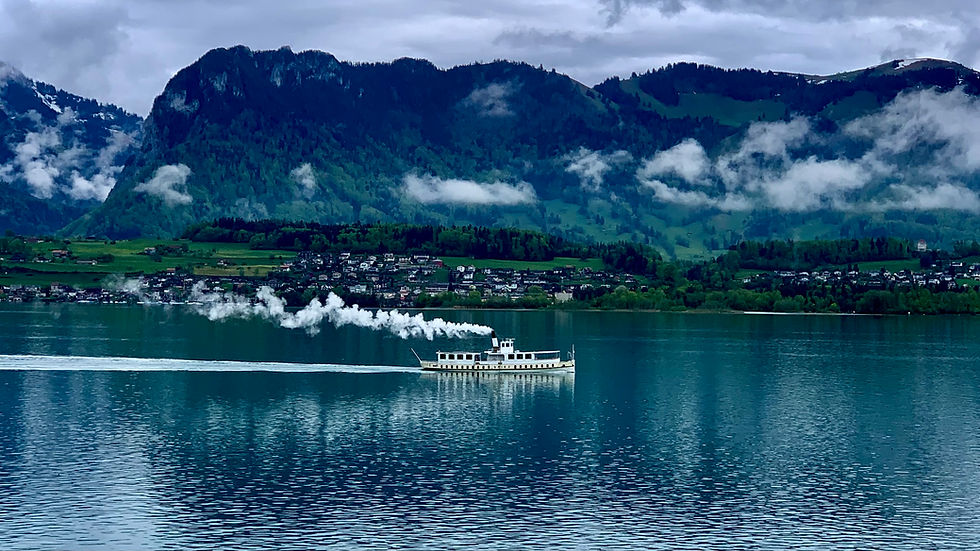
Interlaken is the heart of the Bernese Oberland and a popular base for mountain adventures. The town lies between Lake Thun and Lake Brienz, both accessible by boat and train.
Train connections: Interlaken Ost station connects to Grindelwald, Lauterbrunnen, and the Jungfrau region. The scenic Bernese Oberland Railway offers spectacular views on the way.
Boat trips: Regular boats operate on both lakes, linking Interlaken with lakeside villages like Spiez and Brienz.
Local buses: Buses serve hiking trailheads and smaller villages not reachable by train.
Travelers can plan day trips to famous peaks such as Schilthorn or Jungfraujoch using public transport, combining trains, cable cars, and funiculars.
Using Regional Trains and Buses for Mountain Excursions

The Bernese Oberland is famous for its mountain scenery, and public transport makes it accessible without a car.
Grindelwald and Lauterbrunnen: Both villages are connected by train and bus, serving as starting points for hikes and cable car rides.
Schynige Platte: Reachable by a historic cogwheel train from Wilderswil, this spot offers panoramic views and alpine gardens.
Mürren and Wengen: Car-free villages accessible by cable car and train, perfect for peaceful mountain stays.
Public transport timetables are coordinated with cable cars and mountain railways, allowing seamless transfers.
Tips for Explore the Bernese Oberland and Bern Region by Public Transport
Plan ahead: Use the SBB mobile app or website for real-time schedules and connections.
Buy passes: The Swiss Travel Pass or regional passes like the Bernese Oberland Regional Pass offer unlimited travel and discounts.
Travel light: Public transport can get busy during peak seasons, so pack efficiently.
Start early: To make the most of daylight and avoid crowds, begin your mountain excursions early.
Check weather: Mountain weather changes quickly; public transport can be affected by conditions, so stay informed.
Cultural Highlights Accessible by Public Transport

Beyond nature, the Bernese Oberland and Bern region offer cultural experiences easily reached by train or bus.
Bern’s Old Town: Walk through cobbled streets, visit the Zytglogge clock tower, and explore museums like the Zentrum Paul Klee.
Thun: A charming town on Lake Thun with a historic castle and lively market square.
Spiez: Known for its vineyards and lakeside promenade, accessible by train and boat.
Trummelbach Falls: A series of impressive waterfalls inside a mountain, reachable by bus from Lauterbrunnen.
These destinations combine natural beauty with history and local traditions.
Sustainable Travel Benefits
Choosing public transport reduces your carbon footprint and supports local communities. Switzerland’s transport system is powered largely by renewable energy, making your trip more eco-friendly. Traveling by train or boat also offers unique views and a relaxed pace, letting you enjoy the region fully.
Exploring the Bernese Oberland and Bern region by public transport opens up a world of stunning landscapes, charming towns, and cultural treasures without the hassle of driving. With reliable trains, buses, and boats, you can create a flexible itinerary that suits your interests and pace. Start planning your journey today with some tips for current deals and experiences in the region:


Comments